
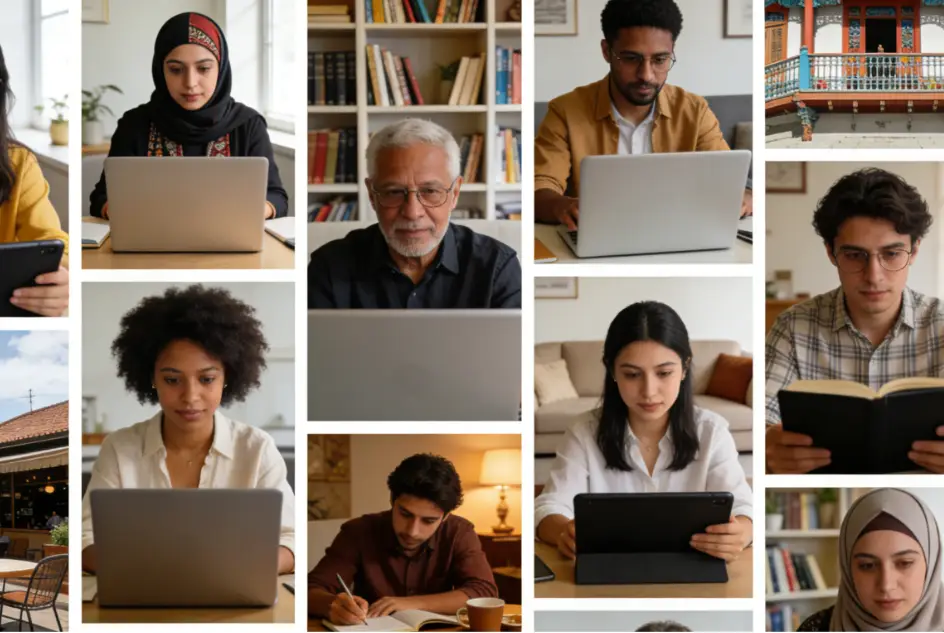
Online Learning Reshaping the Global Education Landscape
With the rapid development of the internet and digital technologies, education systems worldwide are undergoing profound transformation. In Western societies, online education is no longer merely a supplement to traditional campus-based learning; it has become a key pillar for lifelong learning, career transitions, and the democratization of higher education. Platforms like Coursera provide learners from diverse countries and backgrounds access to courses from top universities and leading global companies.
However, as learning shifts from physical classrooms to virtual spaces, academic integrity faces unprecedented challenges. In educational cultures that value structure, fairness, and personal responsibility, such as those in Europe and the United States, integrity is not merely a part of school regulations—it is the cornerstone upon which public trust in the entire educational system is built.
Academic Dishonesty: An Amplified Persistent Issue
Academic dishonesty is not a phenomenon unique to online education. Long before digitalization, cheating, plagiarism, and ghostwriting were present in traditional campuses. According to the International Center for Academic Integrity, over 60% of university students admit to having violated integrity principles in some form during their academic journey.
Yet, the proliferation of online learning has magnified this issue. During the COVID-19 pandemic in 2020, many Western universities rapidly transitioned to remote instruction. Within just three months, the online proctoring platform ProctorU reported over 1.3 million proctoring sessions, with a significant increase in reported cheating incidents. These figures served as a wake-up call to educators: without effective mechanisms, online learning could undermine the credibility of degrees and certifications.
The Real Challenges Faced by Educators
My friend John, a professor at a well-known American university who has long been involved in online and blended course design, shared a particularly striking case: a student was flagged by the system for suspected plagiarism during a remote final exam. The student claimed they had merely “forgotten to properly cite sources,” but the investigation revealed deeper issues.
This incident highlighted to the teaching team that the spatial and manpower advantages inherent in traditional in-person proctoring are almost entirely absent in a virtual environment. For educators in Western contexts, the challenge is how to maintain fairness in exams and assessments without excessively infringing on student privacy—a new professional frontier.
Coursera’s Approach to Academic Integrity
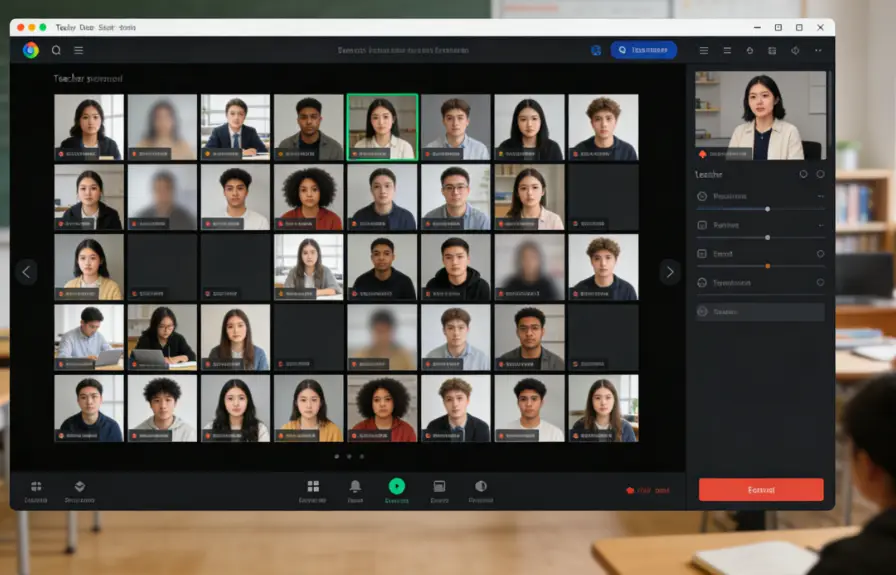
Faced with this reality, Coursera has not focused solely on “catching cheaters” but has built a comprehensive integrity framework from the platform design perspective, emphasizing both prevention and education.
Integrity Reminders Before Submission
Before submitting assignments, students receive automated reminders about potential plagiarism risks and are given the opportunity to revise their work. In Western educational culture, this approach is particularly important because it functions as academic guidance rather than post-hoc punishment. Students are guided to understand proper citation practices instead of facing consequences only after violations occur.
Fair Peer Review and Anonymity
Coursera strictly prohibits students from privately sharing assignment links for informal grading by friends, preventing personal relationships from affecting outcomes. Both submitters and reviewers are anonymized during the peer review process. Professor John noted that anonymity encourages students to provide thoughtful, honest feedback, aligning closely with the professional evaluation ethos emphasized in Western academic communities.
Plagiarism Detection and Technical Safeguards
On a more rigorous level, Coursera collaborates with internationally recognized tools such as Turnitin. Written submissions are automatically compared against global literature databases and previous assignments; any unusual similarities are flagged for instructor review.
For Western students, this represents not only a technical check but also a cultural reminder: academic writing requires time, reflection, and originality, rather than simply patching together information.
Online Exams: Aligning with Campus Standards
Many Western universities aim for online exams to match the rigor of on-campus assessments. Coursera’s private assessment features allow instructors to design custom exams, set response times and deadlines, and support individual or team-based formats—closely mimicking real classroom conditions.
For identity verification and online proctoring, the system uses facial recognition and behavioral analysis to ensure the test-taker is authentic. Alerts are generated immediately if any anomalies are detected. While these technologies continue to evolve, they are already considered fundamental infrastructure for protecting the value of degrees in Western education systems.
Student Perspectives: Pressure and Acceptance
Emma, a graduate of a top U.S. university, has personally experienced Coursera’s online exam process. She admitted feeling nervous during her first online proctored exam but understood the institution’s position. From her perspective, strict systems protect students who study diligently.
“When everyone is evaluated under the same standards, grades become truly meaningful,” Emma said. In her view, technology is not a sign of mistrust but rather a protective measure for honest learners.
From Rules to Culture: The Core of Integrity Education

Coursera emphasizes values as much as technology. Students are required to read and agree to the platform’s academic integrity policies and code of conduct before logging in. This practice is common in Western education, as the ultimate goal of rules is to foster self-discipline rather than fear.
Professor John often says, “Technology is just a tool; education is the foundation. When students truly understand the importance of integrity, proctoring systems become secondary.”
Conclusion: A Future Supported by Both Technology and Humanities
From the perspective of Western education, the success of online learning does not depend solely on advanced platform features but on whether the core values of education—fairness, responsibility, and trust—are upheld.
Coursera’s ongoing global experiment in academic integrity is not a mere technical competition but a long-term investment in educational culture. When technology and humanistic principles support each other, online education can fulfill its promise: enabling more people to learn and grow in an environment that is both fair and trustworthy