
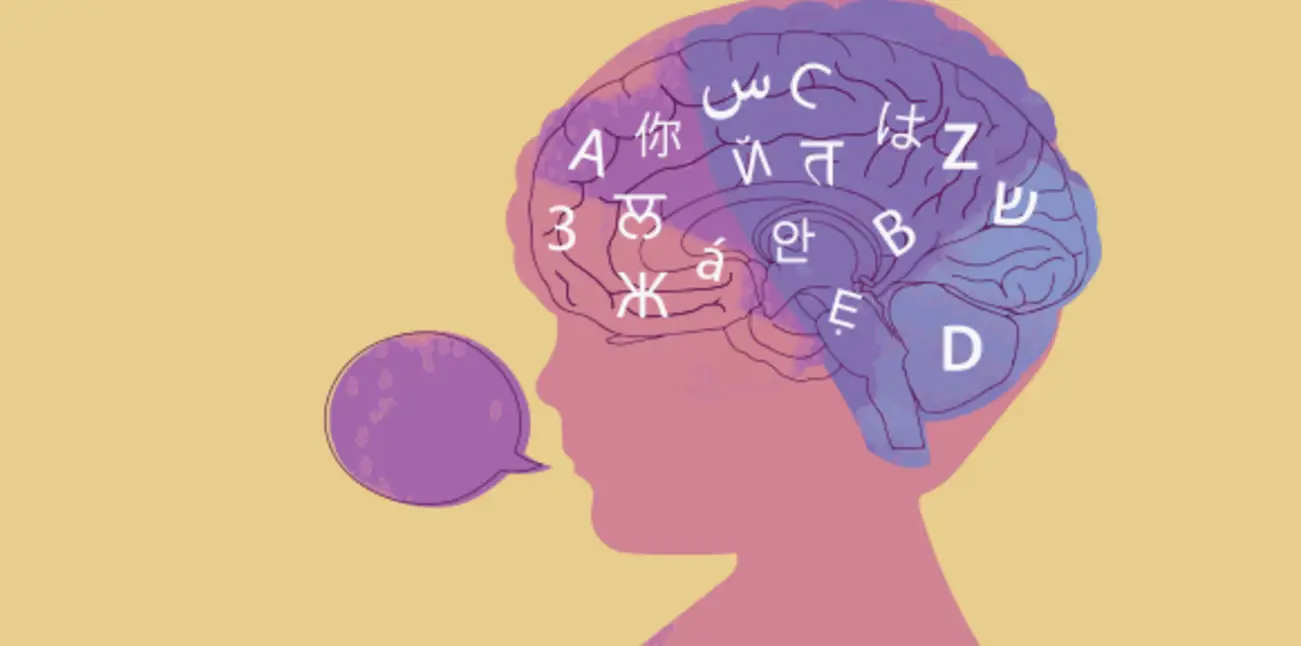
In today’s globalized world, learning popular languages like English, Spanish, or Mandarin often takes center stage. But have you ever considered the unique cognitive perks of picking up a “minor” language, such as Finnish or Dutch? 🤔
Neuroscience and cognitive psychology studies suggest that learning less commonly spoken languages can significantly boost brain flexibility, memory, and problem-solving skills—benefits that extend well into adulthood.
The Unique Cognitive Challenge of Minor Languages 🎯
Compared to mainstream languages, minor languages often feature unusual grammar, pronunciation, and vocabulary rules, which push your brain into overdrive.
- Finnish: With its 15 grammatical cases and agglutinative structure, learners must process complex morphological changes constantly.
- Dutch: Known for its phonemic shifts and long compound words, Dutch challenges English or Romance language speakers to think in new patterns.
These challenges force your brain to continuously adapt, improving cognitive flexibility—the ability to switch between concepts and adjust your behavior based on context. 🌀
How Minor Languages Boost Memory 🧩
Learning a minor language engages multiple types of memory at once:
- Working memory – juggling new words and sentence structures in real-time.
- Long-term memory – integrating vocabulary, grammar, and pronunciation rules.
- Procedural memory – internalizing language rules and usage habits.
Research shows that polyglots, especially those who study structurally distinct languages, outperform monolinguals in both memory retention and recall. The complex structures of minor languages keep the brain highly active, amplifying this effect. 💡
Enhancing Brain Flexibility 🧠✨
Cognitive flexibility, sometimes called mental agility, is sharpened during the process of learning languages like Finnish or Dutch. Learners must:
- Adjust thinking patterns to fit new grammatical rules.
- Detect subtle phonetic differences.
- Translate and integrate concepts between the new language and their native tongue.
This kind of training strengthens executive function, the brain system responsible for planning, problem-solving, and attention management. Over time, these benefits transfer to other areas like multitasking and creative thinking. 🎨🛠️
Additional Cognitive Perks 🌟
Learning a minor language also offers other brain-boosting benefits:
- Improved attention to detail – focusing on words and sentence structure enhances concentration.
- Delayed cognitive decline – studies suggest polyglots, especially those learning challenging languages, may experience slower age-related cognitive decline and lower dementia risk.
- Enhanced problem-solving skills – mastering unfamiliar language structures encourages innovative thinking and adaptability.
Practical Tips for Learning Minor Languages 🗝️
To maximize these cognitive benefits, try these approaches:
- Immersion – Listen to Finnish or Dutch podcasts, music, or local media to familiarize yourself with the rhythm and sounds. 🎧
- Spot patterns, don’t just memorize translations – Identify grammar and morphological rules to reduce cognitive load. 📝
- Spaced repetition – Use apps like Anki or Memrise to reinforce vocabulary and grammar. ⏱️
- Active recall – Create sentences and practice conversations with native speakers. 💬
- Combine with cognitive training – Puzzles, memory games, or dual-task exercises can maximize brain workout effects. 🧩
Real-Life Examples 🌍
- Dutch learners may struggle at first with long compound words like meervoudigepersoonlijkheidsstoornis (“multiple personality disorder”), but repeated practice strengthens memory and pattern recognition.
- Finnish learners often report that mastering all 15 grammatical cases enhances working memory—a skill transferable to academic or professional tasks.
Why Minor Languages Are a Brain Power Move 💪
Learning Finnish or Dutch is more than just acquiring a new way to communicate. It’s a full-on workout for your brain—improving memory, cognitive flexibility, problem-solving, and long-term brain health.
Whether you’re a student, professional, or lifelong learner, mastering a minor language expands your linguistic horizons and cultivates a more flexible, agile mindset—perfect for navigating our fast-changing world with confidence. 🌐🚀