
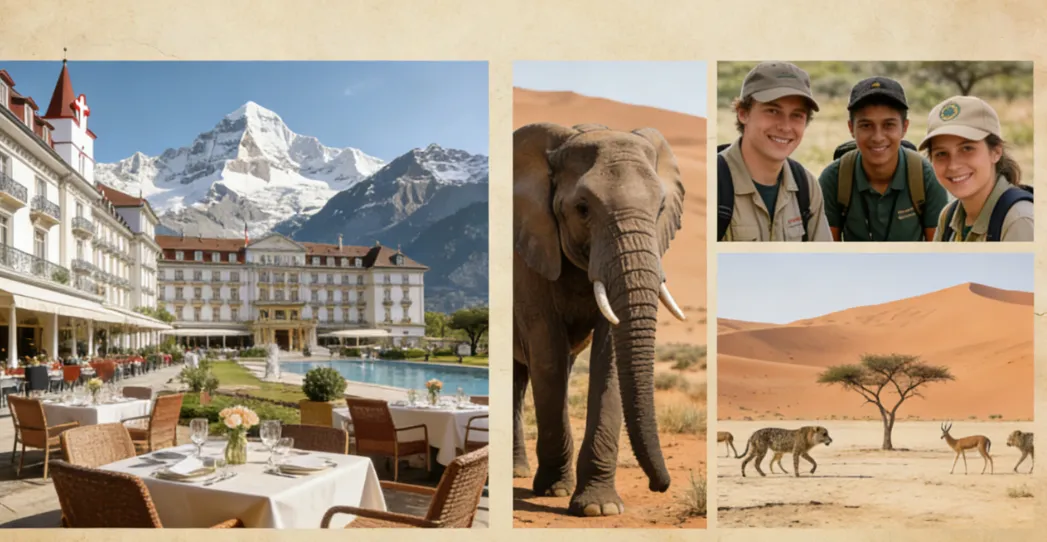
As an educator with decades of experience guiding students through transitions between high school, university, and early career, I’ve watched the academic gap year evolve from a niche choice to a transformative, resume-boosting journey for young adults across Europe and North America. Gone are the days when a gap year meant aimless backpacking or unstructured sightseeing; today’s intentional gap year blends structured learning, hands-on experience, cultural immersion, and mindful slow travel—creating a bridge between classroom knowledge and real-world wisdom.
For students and young professionals seeking more than just a break, an academic gap year offers unparalleled growth: it builds independence, cross-cultural communication skills, professional clarity, and a global mindset that top universities and employers actively prioritize. In this comprehensive guide, we dive into two iconic, high-impact gap year paths that balance academic rigor with unforgettable travel: hotel management studies in Switzerland (paired with alpine slow travel) and wildlife conservation volunteering in Namibia (with deep desert exploration). Written from a Western educator’s perspective, this guide includes insider tips, actionable itineraries, personal anecdotes, and practical planning advice to help you design a gap year that is meaningful, memorable, and professionally valuable.
Why an Academic Gap Year Matters for Western Learners
In the U.S., UK, and EU, gap years are no longer seen as a “detour” from education—they’re a strategic investment. Colleges like Harvard, Yale, and LSE actively encourage admitted students to take a gap year, citing higher graduation rates, greater academic engagement, and stronger emotional maturity among gap year participants. For career-focused learners, a gap year with academic or vocational training (like hospitality management) or volunteer work (like wildlife conservation) adds tangible skills to applications, setting you apart from peers with only classroom experience.
The key to a successful academic gap year is balance: structure (courses, volunteer shifts, certifications) paired with unhurried, slow travel. Unlike rushed tourist trips, slow travel lets you connect with local communities, absorb culture deeply, and reflect on your goals—something that busy semester schedules rarely allow. Whether you’re studying luxury hospitality in the Swiss Alps or protecting endangered species in the Namib Desert, this guide will help you turn your gap year into a life-defining adventure.
Path 1: Swiss Hotel Management Studies + Alpine Slow Travel (Europe’s Premier Vocational Gap Year)
Switzerland is the global gold standard for hotel and hospitality management, home to legendary institutions like EHL Hospitality Business School, Glion Institute of Higher Education, and Les Roches. For gap year students, short-term (3–6 month) certificate programs offer intensive, hands-on training in luxury hospitality, event management, culinary arts, and guest services—all set against the backdrop of the Swiss Alps. What makes this path extraordinary is the opportunity to pair daily coursework with weekend and midterm slow travel across Switzerland’s most stunning regions, no rushed flights or packed itineraries required.
Why Choose Switzerland for Your Hospitality Gap Year
- World-Class Credentials: Swiss hospitality certifications are recognized globally, opening doors to careers in luxury hotels, resorts, cruise lines, and event planning worldwide.
- Small Class Sizes & Practical Learning: Programs prioritize internships, on-site training, and real client interactions—no endless lectures.
- Multicultural Environment: Classmates hail from 50+ countries, building your global network before you even graduate.
- Unbeatable Slow Travel Access: Switzerland’s efficient rail network (Interrail/GoldenPass Lines) lets you explore villages, vineyards, and alpine lakes in 1–3 day slow trips between classes.
The Ideal Slow Travel Itinerary for Swiss Hospitality Students
Most Swiss hospitality programs are based in mountain towns (Montreux, Lucerne, Interlaken, Brig) or lakefront cities (Geneva, Zurich). Below is a curated, low-stress slow travel itinerary designed for weekend getaways and 3-day midterm breaks, perfect for balancing study and exploration.
Base Camp: Montreux/Lausanne (Lake Geneva Region)
If you’re studying at EHL or Les Roches Glion, Montreux and Lausanne are your home bases. This area is a gateway to the Swiss Riviera, UNESCO-listed vineyards, and quaint alpine villages—ideal for slow, scenic travel.
- Weekend 1: Lavaux Vineyards & Chillon Castle (Half-Day Slow Trip)Skip the crowded tour buses and take the local train from Montreux to Epesses, a tiny village in the Lavaux UNESCO vineyard region. Spend the morning hiking the gentle vineyard trails (no strenuous climbs—perfect for a study break), stopping at family-run wineries for free wine tastings (try the local Chasselas white wine). In the afternoon, walk or take a short boat ride to Chillon Castle, a medieval fortress on Lake Geneva that inspired Lord Byron’s poetry. Pack a picnic of local cheese, bread, and chocolate, and eat by the lake—this is slow travel at its finest: no schedules, just relaxation and cultural absorption.
- Midterm Break: Bernese Oberland Alpine Loop (3 Days)Take the GoldenPass Line from Montreux to Interlaken, a scenic train ride that winds through mountains and valleys (book a first-class seat for panoramic windows—worth every franc). Day 1: Explore Interlaken’s charming old town and take a leisurely boat ride on Lake Thun or Lake Brienz. Day 2: Head to Grindelwald, a car-free alpine village, and hike the easy First Cliff Walk (a gentle, elevated trail with stunning views of the Eiger North Face). Day 3: Visit Lucerne, a picturesque lakeside city, and wander the cobblestone streets of the old town, cross the Chapel Bridge, and relax at a lakeside café. This loop avoids crowded ski slopes and focuses on quiet, unhurried nature and culture—perfect for recharging before returning to classes.
- Long Weekend: Zurich & The Swiss Plateau (City Meets Countryside)For a change of pace, take the train to Zurich, Switzerland’s financial and cultural hub. Spend one day exploring the old town (Altstadt), visiting the Swiss National Museum, and browsing boutique shops on Bahnhofstrasse (window shop only—Switzerland is pricey!). The next day, take a short train to Uetliberg, Zurich’s local mountain, for a easy hike and panoramic city views. End the trip with a visit to the Lindt Home of Chocolate Museum—ideal for hospitality students interested in confectionery and luxury food services.
Slow Travel Pro Tips for Swiss Hospitality Students
Insider Advice from a Western Educator: Invest in an Interrail Youth Pass for unlimited train travel—most programs offer student discounts. Stay in small guesthouses (Gasthöfe) instead of chain hotels; owners love sharing local secrets and often offer hospitality students career tips. Practice your French/German with locals—hospitality employers value multilingual skills, and slow travel gives you daily chances to learn.
- Travel light: Swiss trains have limited luggage space, and small villages are pedestrian-friendly.
- Travel off-peak: Avoid summer crowds by traveling in late spring or early fall—alpine scenery is just as stunning, and prices are lower.
- Combine study with travel: Visit local luxury hotels during your trips to observe operations—great for networking and class projects!
Path 2: Namibia Wildlife Conservation Volunteering + Desert Slow Travel (A Purpose-Driven Gap Year)
For learners who crave adventure, wildlife, and meaningful impact over vocational training, a wildlife conservation volunteer gap year in Namibia is unmatched. This Southern African nation is a paradise for nature lovers: home to the ancient Namib Desert, Etosha National Park, desert-adapted elephants, black rhinos, lions, and unique flora and fauna found nowhere else on Earth. As a volunteer, you’ll work alongside local conservationists and international researchers, gaining hands-on experience in wildlife monitoring, habitat restoration, and community outreach—while exploring Namibia’s vast, untouched landscapes via slow, immersive travel.
Why Namibia for a Conservation Gap Year
- High-Impact Volunteering: Namibia’s conservation projects focus on endangered species (desert elephants, black rhinos) and sustainable community tourism—your work directly supports local ecosystems and livelihoods.
- Small, Intensive Volunteer Groups: Most programs host 6–12 volunteers at a time, ensuring personalized training and meaningful connections with staff and peers.
- Unparalleled Wildlife Encounters: Unlike crowded safari parks, Namibia’s remote reserves offer intimate, off-the-beaten-path wildlife sightings.
- Authentic Cultural Immersion: Volunteer programs often partner with local Himba and San communities, letting you learn about indigenous cultures and sustainable living.
A Day in the Life of a Namibia Wildlife Volunteer
Most conservation programs (2–12 weeks) are based in private reserves near Etosha National Park, Damaraland, or the Namib Desert. A typical day balances structured volunteer work with free time for slow exploration:
- 6:30 AM: Early morning game drive to monitor wildlife (track elephants, rhinos, and lions, record data for research projects)
- 9:00 AM: Breakfast at the volunteer camp (home-cooked local meals, fresh fruit, and coffee)
- 10:00 AM – 1:00 PM: Conservation work (habitat restoration, building waterholes for wildlife, assisting with animal rescue/rehabilitation)
- 1:00 PM – 3:00 PM: Siesta and free time (read, journal, or relax under the desert stars)
- 3:00 PM – 6:00 PM: Afternoon activities (wildlife tracking, community visits, or guided nature walks)
- 6:00 PM: Sunset game drive and dinner around the campfire, stargazing (Namibia has some of the clearest skies in the world)
Deep Travelogue: Exploring Namibia’s Hidden Gems (Post-Volunteer Slow Travel)
After your volunteer shift ends, extend your gap year with a slow, self-guided desert journey—no rushed tours, just you and Namibia’s vast landscapes. Below is a heartfelt, personal travelogue of my favorite Namibian slow travel route, designed for gap year learners seeking reflection and adventure.
Day 1–2: Swakopmund – Where Desert Meets the Sea
Start your post-volunteer trip in Swakopmund, a quirky coastal town with German colonial architecture, nestled between the Namib Desert and the Atlantic Ocean. This is the perfect place to transition from volunteer work to slow travel: wander the quiet streets, visit the Namib Desert Conservation Center, and take a gentle dune walk (avoid the crowded tourist dunes—head to Dune 7 for solitude). Stay in a boutique guesthouse run by local conservationists, and spend evenings eating fresh seafood at beachfront cafes, swapping stories with fellow travelers and researchers.
Day 3–5: Damaraland – Ancient Deserts & Desert-Adapted Elephants
Drive north to Damaraland, a remote, rugged region known for its ancient rock formations and desert-adapted elephants (a unique subspecies that survives without permanent water). This is slow travel in its purest form: stay in a low-impact eco-lodge, take guided walks with local San trackers, and spend hours watching elephants roam the desert plains. There’s no Wi-Fi, no crowds, just the quiet of the desert and the thrill of spotting wildlife in their natural habitat. Take time to journal, meditate, and reflect on your volunteer experience—this isolation is a rare gift for self-discovery.
Day 6–8: Etosha National Park – Wildlife Safaris & Salt Pans
End your journey at Etosha National Park, Namibia’s premier wildlife reserve. Unlike busy safari parks in East Africa, Etosha’s waterholes offer unbeatable, up-close wildlife viewing (lions, giraffes, zebras, rhinos gather here daily). Stay in a self-catering camp inside the park, and spend your days driving at a leisurely pace, stopping whenever you spot wildlife. Skip the guided tours and explore on your own—this freedom lets you connect with nature deeply, without rushing from one sight to the next.
Conservation Gap Year Pro Tips for Western Learners
Educator’s Note: Choose ethical, community-led volunteer programs (avoid “volunteer tourism” operators that exploit wildlife or local communities). Look for programs affiliated with reputable organizations like GVI, Namibia Wildlife Trust, or Harnas Wildlife Sanctuary—these prioritize animal welfare and fair compensation for local staff.
- Pack lightweight, neutral-colored clothing (khaki, olive) for safari and volunteer work; bring sunscreen, a hat, and a reusable water bottle.
- Respect local cultures: Ask permission before photographing indigenous communities, and follow park rules to protect wildlife.
- Document your work: Keep a research journal, take photos (responsibly), and collect data—this material is perfect for college essays or personal statements.
Practical Planning Guide for Your Academic Gap Year (Western Learner-Focused)
As an educator, I always advise students to plan their gap year with structure, safety, and purpose. Here’s a step-by-step guide to turning your dream into reality:
1. Define Your Goals
Ask yourself: Do I want vocational skills (Switzerland) or impactful volunteer experience (Namibia)? Do I want to travel slowly or explore multiple countries? Align your gap year with your college/career goals to maximize value.
2. Budget Wisely
- Switzerland: Higher cost (programs + travel = $15,000–$25,000 for 6 months), but many programs offer scholarships for international students.
- Namibia: Lower cost (volunteer programs + travel = $8,000–$15,000 for 3–6 months); many programs include accommodation and meals.
3. Handle Logistics Early
- Passport: Ensure validity for 6+ months post-travel.
- Visas: Switzerland (Schengen visa for non-EU/US students); Namibia (visa on arrival for most Western nationals).
- Insurance: Purchase comprehensive travel/health insurance with emergency evacuation coverage (critical for Namibia).
4. Stay Connected to Your Academic Journey
Keep in touch with your college admissions counselor or academic advisor; many schools offer gap year credit for structured programs. Document your experience with a portfolio, blog, or research paper—this will make your college or job application stand out.
Final Thoughts: The Gap Year as a Lifelong Investment
As an educator, I’ve seen countless students return from academic gap years more confident, curious, and grounded. Whether you’re mastering hospitality in the Swiss Alps or protecting wildlife in the Namib Desert, this year is not a break from learning—it’s learning in its most powerful form. Slow travel lets you step outside your comfort zone, connect with people and places authentically, and discover what truly matters to you.
A gap year is not about checking off destinations; it’s about growing into a global citizen. Whether you choose the refined charm of Switzerland or the wild beauty of Namibia, your academic gap year will shape your perspective, expand your horizons, and prepare you for success in university and beyond. Start planning today—your transformative journey awaits.
Ready to Start Planning? Reach out to reputable gap year organizations, connect with past participants, and prioritize intentionality over speed. Your perfect academic gap year is within reach—one slow, meaningful step at a time.